

At our Quran Academy, we offer insightful blogs designed to enhance your Qur’an learning experience, and many of them come with helpful download options. These blogs cover a wide range of topics such as Tajweed rules, Quran memorization tips, Islamic lifestyle guidance, and lessons from the lives of the Prophets. To begin with, each blog is written in a clear and simple style, making it easy for readers of all levels to understand and benefit from. Whether you are a beginner or an advanced learner, our content is tailored to support your journey.
Tasks
Moreover, many of our blog posts include free downloads such as summary sheets, PDF guides, learning checklists, and activity sheets. These downloadable materials allow students and parents to review and apply what they read in the blog. For example, a blog about improving Quran recitation may include a free Tajweed rules chart or a printable recitation tracker. This helps readers move from theory to practice, turning their reading into real learning.
Islamic Events
In addition, our blogs are updated regularly with fresh content to reflect Islamic events, student needs, and trending questions from the community. Not only that, but all blog-related downloads are mobile-friendly and can be accessed easily from your phone, tablet, or computer. This makes it convenient for learners to study on the go or at home.
Our Blogs
Furthermore, our blogs are a great resource for parents, teachers, and independent learners who want trusted Islamic content along with actionable resources. In conclusion, our Quran Academy blogs are more than just articles—they are a complete learning experience supported by practical downloads. Visit our blog section today to read, learn, and download valuable resources that will enrich your Qur’an study journey.
Benefits of Online Quran Classes
Introduction
In today’s digital world, learning has become more accessible than ever before. One of the greatest advancements in Islamic education is the availability of Online Quran Classes. Through a trusted Online Quran Academy, students from around the world can learn Quran online with qualified teachers without leaving their homes. This modern method of education has made it easier for children and adults to gain knowledge of the Holy Quran in a comfortable and flexible environment.
Easy Access to Qualified Teachers
One of the biggest benefits of online learning is access to experienced teachers. Many academies provide professional Shia Quran teachers and Shia Online Quran tutors who are trained to teach Quran recitation, Tajweed, and basic Islamic education. Students can connect with knowledgeable instructors from anywhere in the world and receive personalized guidance in their Quran learning journey.
Flexible Learning Schedule
Another major advantage of Online Quran Classes is flexibility. Students can choose class timings according to their daily routines. This is especially helpful for working adults and school-going children. Families can easily schedule Quran classes for kids after school hours, making it convenient for them to continue their Islamic education without disturbing their regular studies.
Comfortable Home Learning Environment
Learning from home provides a safe and comfortable environment for students. Instead of traveling to a madrasa or mosque, students can learn Quran online from their homes. Parents can also observe their children’s progress during the classes and ensure they are receiving quality education from qualified teachers.
Personalized Attention for Students
In many Online Quran Academies, classes are conducted one-on-one or in small groups. This allows teachers to focus on each student individually. Shia Online Quran tutors can correct mistakes in recitation, improve Tajweed, and provide detailed explanations to help students understand the meaning of Quranic verses better.
Special Quran Classes for Kids
Online platforms also offer specially designed Quran classes for kids. These classes use interactive teaching methods to make learning interesting and engaging. Children can learn the basics of Quran reading, pronunciation, and Islamic teachings in a friendly environment that encourages them to develop a love for the Holy Quran.
Learning Tajweed and Quran Recitation
Correct pronunciation is very important when reading the Quran. Online classes help students learn the rules of Tajweed, which ensures that the Quran is recited properly. With the help of skilled Shia Quran teachers, students receive step-by-step guidance to improve their recitation and gain confidence in reading the Holy Quran.
Global Islamic Education
One of the most remarkable benefits of online learning is that it connects students from different countries. Through a reliable Online Quran Academy, Muslims from around the world can receive high-quality Islamic education and stay connected to their religious teachings. This global accessibility makes Quran education available to anyone with an internet connection.
Conclusion
The rise of Online Quran Classes has transformed the way Muslims learn the Holy Quran. With flexible schedules, qualified Shia Quran teachers, and interactive learning methods, students can easily learn Quran online from the comfort of their homes. Whether for children or adults, Quran classes for kids and beginners provide an excellent opportunity to gain knowledge of the Quran and strengthen their understanding of Islamic teachings.
Online Quran learning is not only convenient but also an effective way to spread Islamic education across the world. By joining a trusted Online Quran Academy, students can begin their journey of Quran learning and develop a deeper connection with the Holy Quran.
Difference Between Shia and Sunni Tajweed


Introduction
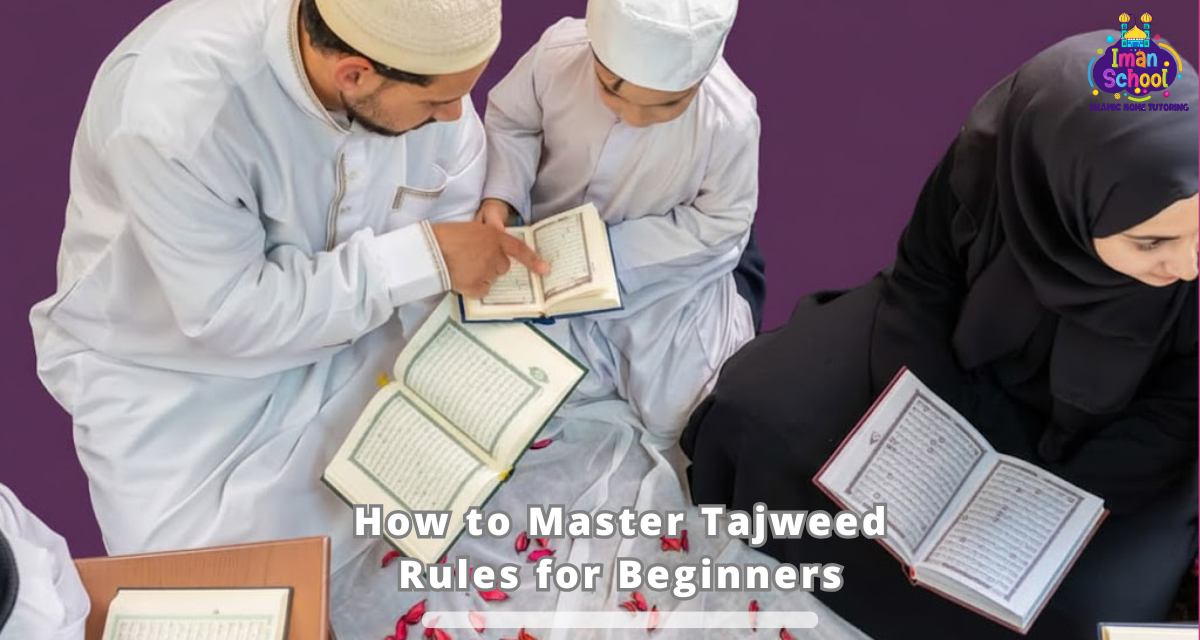
The Holy Quran is the sacred book of Islam, and Muslims believe it should be recited exactly as it was revealed. Tajweed refers to the set of rules that guide the correct pronunciation and recitation of the Quran. These rules help preserve the beauty, rhythm, and accuracy of Quranic recitation.
Many people wonder whether there is a difference between Shia and Sunni Tajweed. In reality, the core principles of Tajweed are the same for all Muslims because they come from the same Quran and the same Arabic language. However, there can be small differences in recitation styles, traditions, and preferred methods of learning.
This article explains the similarities and differences between Shia and Sunni Tajweed in a simple and clear way.
What is Tajweed?
Tajweed literally means “to make better” or “to improve.” In Quran recitation, Tajweed refers to applying proper pronunciation rules while reading the Quran.
Tajweed rules include:
- Correct pronunciation of Arabic letters (Makharij)
- Characteristics of letters (Sifaat)
- Rules of noon sakinah and tanween
- Rules of meem sakinah
- Proper elongation (Madd)
- Stopping and starting correctly (Waqf)
These rules ensure that the Quran is recited exactly as it was taught by the Prophet Muhammad (peace be upon him and his family).
Similarities Between Shia and Sunni Tajweed
Before discussing differences, it is important to understand that most Tajweed rules are identical in both traditions.
1. Same Quran
Both Shia and Sunni Muslims recite the same Holy Quran with the same Arabic text. The letters, words, and verses are identical.
2. Same Tajweed Foundations
The fundamental Tajweed rules such as:
- Ghunnah (nasal sound)
- Idgham (merging letters)
- Ikhfa (hidden pronunciation)
- Qalqalah (echoing sound)
- Madd (elongation)
are the same for both Shia and Sunni reciters.
3. Same Arabic Pronunciation Rules
Since Tajweed is based on classical Arabic pronunciation, both groups follow the same linguistic principles for producing sounds correctly.
Main Differences Between Shia and Sunni Tajweed
While the basic rules are the same, some differences may appear in recitation styles, teaching traditions, and accepted recitation chains.
1. Different Qira’at Traditions
In Sunni schools, the most common recitation is Hafs ‘an Asim, which is widely used across the Muslim world.
Shia scholars also commonly use the Hafs recitation, but their teaching tradition often traces the chain of recitation through Imam Ali and the Ahlul Bayt.
The pronunciation itself is usually the same, but the chain of transmission may differ.
2. Recitation Style and Tone
Shia reciters sometimes follow a slightly different melodic style during Quran recitation, especially in religious gatherings.
For example:
- Recitation in Shia gatherings may be slower and more emotional.
- Some Sunni recitations follow more standardized melodic patterns used in famous Quran recitations.
These differences relate to style rather than Tajweed rules.
3. Teaching Methodology
The way Tajweed is taught can vary between Shia and Sunni institutions.
Shia Quran academies often combine Tajweed learning with teachings from the Ahlul Bayt, emphasizing spiritual reflection and understanding alongside pronunciation.
Sunni institutions may focus more on traditional Tajweed manuals and classical recitation schools.
However, the pronunciation rules themselves remain largely identical.
4. Preference in Reciters
Different communities may prefer listening to different famous reciters.
Some well-known Sunni reciters include:
- Sheikh Abdul Basit
- Sheikh Mishary Rashid Alafasy
- Sheikh Sudais
Shia communities may also appreciate reciters who follow traditions connected to the Ahlul Bayt.
Again, this difference is mostly about preference, not Tajweed rules.
Why Tajweed is Important for Every Muslim
Regardless of whether someone follows the Shia or Sunni tradition, Tajweed plays an important role in preserving the Quran.
Learning Tajweed helps Muslims:
- Avoid pronunciation mistakes
- Recite the Quran beautifully
- Understand the meaning better
- Respect the words of Allah
- Maintain the authentic recitation tradition
Even small pronunciation mistakes can change the meaning of Arabic words, which is why Tajweed is essential.
Learning Tajweed Online
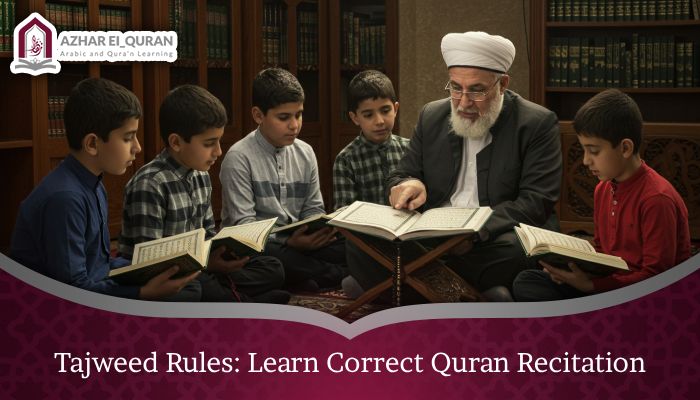
Today, many students learn Tajweed through online Quran academies where qualified teachers guide them step by step.
Online learning provides:
- One-on-one attention from teachers
- Flexible class timings
- Structured Tajweed lessons
- Personalized correction of pronunciation
Students from anywhere in the world can now improve their Quran recitation from the comfort of their homes.
Conclusion
The difference between Shia and Sunni Tajweed is much smaller than many people assume. Both traditions follow the same Quran and the same fundamental Tajweed rules derived from the Arabic language and the teachings of the Prophet.
Most differences appear only in teaching traditions, recitation chains, and stylistic preferences. The primary goal for all Muslims remains the same: to recite the Quran accurately, beautifully, and with respect.
By learning Tajweed correctly, Muslims strengthen their connection with the Quran and preserve its recitation for future generations.
How to Learn Quran for Beginners: A Step-by-Step Guide


Introduction
Learning the Holy Quran is one of the most important goals for every Muslim. For beginners, the process may seem challenging at first, especially if they are not familiar with Arabic letters or proper pronunciation. However, with the right guidance, patience, and consistent practice, anyone can learn to read and recite the Quran correctly.
This guide explains how beginners can start learning the Quran step by step, even if they have no prior knowledge of Arabic.
1. Start With the Arabic Alphabet
The first step in learning the Quran is becoming familiar with the Arabic alphabet. Since the Quran is written in Arabic, understanding the letters and their sounds is essential.
Beginners should learn:
The 28 Arabic letters
How each letter is pronounced
How letters change shape depending on their position in a word
The basic vowel signs (Harakat)
Practicing these letters daily helps students recognize them quickly while reading the Quran.
2. Learn Noorani Qaida
After learning the Arabic alphabet, the next step is studying Noorani Qaida. This book is widely used to teach beginners how to read Quranic Arabic.
Noorani Qaida helps students learn:
Letter combinations
Short and long vowel sounds
Word formation
Basic Tajweed rules
This stage builds the foundation needed to start reading the Quran correctly.
3. Practice Correct Pronunciation (Makharij)
Correct pronunciation is extremely important when reciting the Quran. Each Arabic letter comes from a specific point in the mouth or throat called Makharij.
For example:
Some letters come from the throat
Some come from the tongue
Some come from the lips
Learning these pronunciation points helps beginners avoid mistakes and recite the Quran accurately.
4. Learn Basic Tajweed Rules
Once beginners can read simple words, they should start learning basic Tajweed rules. Tajweed ensures that the Quran is recited the way it was revealed.
Some essential Tajweed rules include:
Ghunnah – nasal sound
Madd – elongation of vowels
Qalqalah – echoing sound
Idgham – merging letters
Ikhfa – hiding sound
These rules improve the beauty and correctness of Quran recitation.
5. Start Reading Short Surahs
Beginners should begin reading short chapters (Surahs) from the last part of the Quran, often known as Juz Amma.
Short Surahs are easier to memorize and practice. Examples include:
Surah Al-Fatiha
Surah Al-Ikhlas
Surah Al-Falaq
Surah An-Nas
Reading these regularly helps build confidence and fluency.
6. Practice Daily
Consistency is the key to learning the Quran successfully. Even 15 to 30 minutes of daily practice can make a big difference.
Daily practice helps:
Improve pronunciation
Increase reading speed
Strengthen memory
Build a habit of Quran recitation
Learning slowly but consistently is much better than studying irregularly.
7. Learn With a Qualified Teacher
One of the best ways to learn the Quran is by studying with a qualified teacher. A teacher can correct mistakes, guide pronunciation, and help students apply Tajweed rules properly.
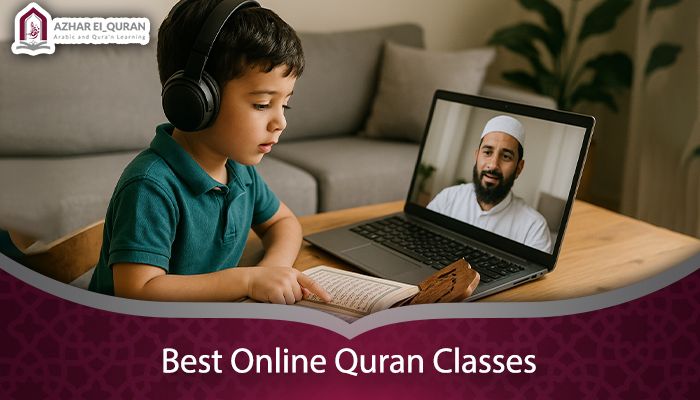
Today, many students learn through online Quran classes, which provide:
One-on-one teaching
Flexible schedules
Personal guidance
Immediate correction of mistakes
This makes learning easier for beginners living in different parts of the world.
8. Understand the Meaning of the Quran
While learning to read the Quran is important, understanding its message is equally valuable.
Beginners can gradually start learning:
Basic Quran translations
Simple explanations (Tafsir)
The lessons and guidance from Quranic verses
Understanding the meaning strengthens the spiritual connection with the Quran.
Tips for Beginners Learning the Quran
Here are some helpful tips for beginners:
Be patient and learn step by step
Practice reading aloud to improve pronunciation
Listen to experienced Quran reciters
Review lessons regularly
Make learning the Quran a daily habit
Remember that every expert reciter was once a beginner.
Conclusion
Learning the Quran as a beginner may take time, but it is a rewarding journey filled with spiritual growth and blessings. By starting with the Arabic alphabet, studying Noorani Qaida, practicing Tajweed, and reading regularly, anyone can gradually improve their Quran recitation.
With dedication, guidance from a qualified teacher, and consistent practice, beginners can develop a strong connection with the Quran and continue improving throughout their lives.
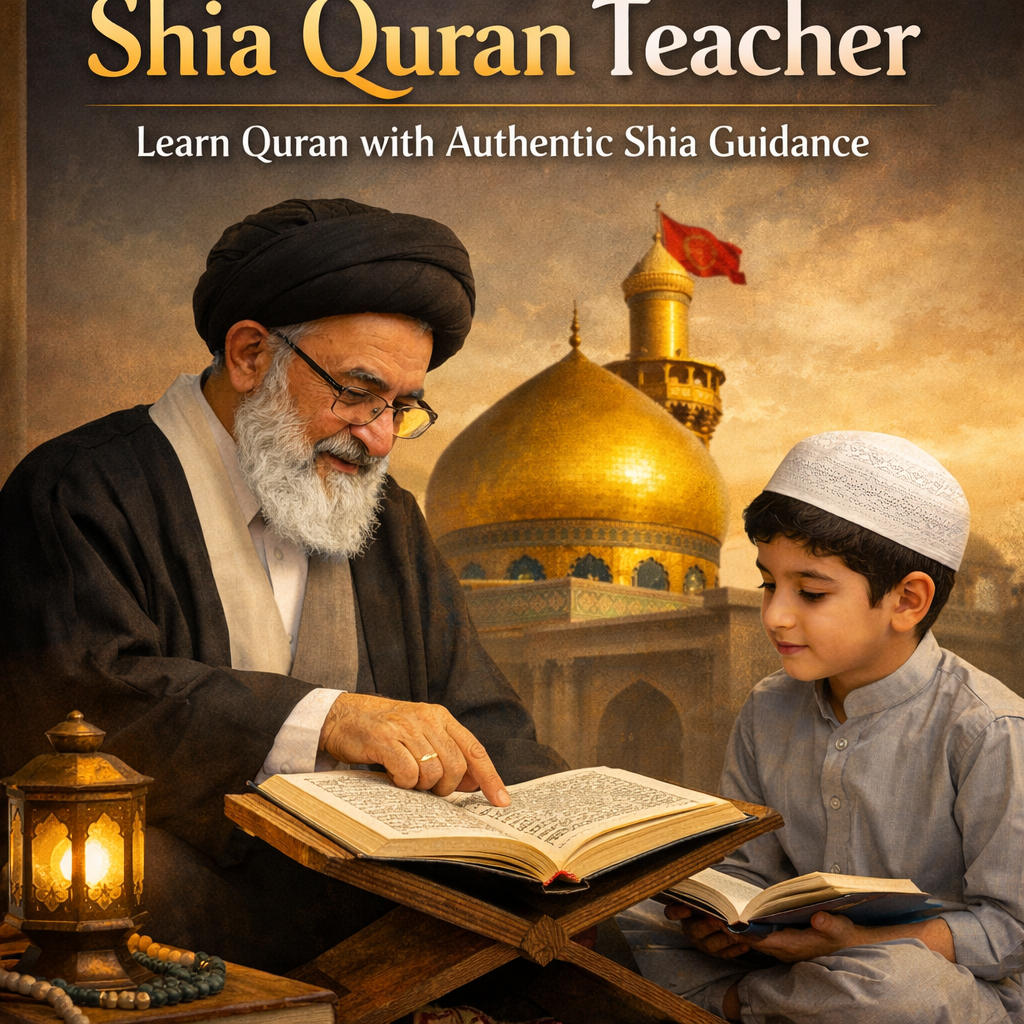
What Is Shia Quran Teacher
Introduction The Quran is the central religious text of Islam, revered by Muslims worldwide as…
Online Islamic Guidance and Quran Learning Academy:…
The Rise of Online Islamic Guidance In today’s busy world, maintaining a strong connection with…

 English